
Fast Curing Resin: Reduce Downtime for Your Business.
Modern industrial environments often operate on a 24/7 basis, making traditional flooring installation timelines a significant bottleneck. The introduction of fast curing resin has transformed facility management by offering rapid returns to service. Is your business prepared to switch to a system that cures in hours rather than days?
Extended closures for floor maintenance can lead to substantial revenue loss and logistical complications. By leveraging advanced polyaspartic technology, businesses can address flooring requirements without halting production for a week. But what makes these rapid systems superior to traditional epoxy coatings in a high-pressure commercial setting?
Key Takeaways
- Polyaspartic resins cure in as little as two hours for rapid service return.
- These systems allow 24/7 facilities to significantly reduce downtime during repairs.
- The material remains effective in sub-zero temperatures as low as -5°C.
- Excellent chemical and impact resistance ensures long-term industrial durability.
- Professional installation supports 5S certification and high hygiene standards.
Maximising Efficiency with Rapid Installation
Streamlining Operational Timelines
To reduce downtime effectively, facility managers must choose materials that reach full mechanical strength shortly after application. Polyaspartic systems are specifically engineered to support foot traffic and heavy machinery within just two to four hours. This speed allows for overnight installations that are fully ready for the morning shift, preserving vital revenue streams.
Traditional epoxy resins often require 24 to 48 hours to cure properly, which can disrupt complex logistics chains. By contrast, rapid systems provide a seamless transition from installation to full capacity. This makes them the ideal choice for loading bays, entrance halls, and production lines that cannot be cordoned off for several days at a time.
Comparing Curing Dynamics
Choosing a fast curing resin involves understanding the technical differences between standard polyurethane and rapid polyaspartic systems. While standard systems are robust, their curing is highly dependent on ambient temperature and humidity. Polyaspartic resins offer a more predictable and accelerated timeline, ensuring that project deadlines are met regardless of the internal climate.
The rapid bonding process does not sacrifice the floor’s integrity; in fact, it creates a high-performance surface that resists yellowing and UV degradation. This dual benefit of speed and aesthetic longevity makes it a preferred solution for commercial showrooms and high-traffic retail spaces that demand both functionality and visual appeal under tight deadlines.
| Feature | Standard Epoxy Resin | Polyaspartic Resin |
|---|---|---|
| Initial Cure Time | 12–24 Hours | 1–2 Hours |
| Full Traffic Readiness | 48–72 Hours | 4–6 Hours |
| Minimum Application Temp | +15°C | -5°C |
| UV Stability | Moderate (May Yellow) | High (UV Stable) |
| Operational Duty | Medium to Heavy | Heavy to Very Heavy |

Leveraging Technical Attributes of Polyaspartic Resins
Accelerated Chemical Bonding
The speed of polyaspartic flooring is derived from its aliphatic polyurea base, which facilitates an almost immediate chemical reaction upon mixing. Unlike standard resins that dry through solvent evaporation or slow oxidation, these systems bond to the substrate and cure through a controlled chemical chain reaction. This ensures a consistent finish across large industrial surface areas.
This rapid bonding is particularly beneficial in humid environments where other resins might struggle to set correctly. The chemistry involved is designed to be tolerant of moisture, reducing the risk of delamination or surface blushing. Consequently, the resulting floor is a dense, non-porous barrier that provides exceptional protection against industrial fluids and mechanical wear.
Durability in High-Traffic Hubs
Utilising a fast curing resin does not mean compromising on the floor’s ability to withstand heavy loads or frequent forklift traffic. These systems are rated for heavy-duty use, providing impact resistance that rivals the thickest polyurethane screeds. The flexibility of the resin also helps it absorb shocks from dropped tools or machinery vibrations without cracking.
In warehouses and distribution centres, the ability to reduce downtime while maintaining a hard-wearing surface is invaluable. The resin’s high compressive strength ensures it does not indent under the weight of static racking or pallet trucks. This ensures that the floor remains a long-term asset, potentially lasting 15 to 20 years with a structured maintenance programme.
Ensuring Operational Resilience in Demanding Environments
Mitigating Revenue Loss Through Speed
Businesses that reduce downtime by choosing rapid-set resins can save thousands of pounds in indirect costs associated with plant closures. A fast curing resin system eliminates the “dead time” where a facility is empty solely to wait for a floor to dry. This strategic choice directly impacts the bottom line by keeping the workforce active and productive.
For example, a manufacturing plant can schedule floor refurbishment during a bank holiday or a weekend shift change. Because the resin is ready for traffic in hours, there is no need to delay the start of the next working week. This predictability allows for more aggressive project planning and reduces the stress on facility management teams.
Hygiene and Safety Integration
The seamless nature of polyaspartic flooring makes it an excellent choice for maintaining high hygiene standards in pharmaceutical and food production facilities. Because the material cures so quickly, it reduces the window in which dust or airborne contaminants can settle on the wet surface. This results in a smoother, more sanitary finish that is easy to sterilise.
These systems can also incorporate anti-slip aggregates during the rapid application process, achieving PTV ratings of 36 or higher. This ensures that safety standards are maintained from the moment the floor is returned to service. The non-porous surface inhibits bacterial growth, supporting compliance with strict healthcare and food-safe regulations without requiring long periods of inactivity.
Did You Know?
Standard epoxy resin systems typically require temperatures of at least 15°C and up to 48 hours to cure. In contrast, advanced polyaspartic systems can be applied at temperatures as low as -5°C and are ready for full operational use in approximately two hours.
Utilising Temperature Tolerance and Versatility
Installation in Sub-Zero Conditions
Advanced fast curing resin systems can be successfully applied at temperatures as low as -5°C, making them the gold standard for cold storage units. While standard epoxy would remain liquid or fail to bond in these conditions, polyaspartic resins cure reliably. This capability allows for floor repairs in freezers without the need to fully defrost the area.
This temperature independence is also a benefit for external applications such as walkways, car park decks, and balconies. Installers can work during the winter months or in unheated warehouses, ensuring that facility upgrades proceed on schedule regardless of the season. This versatility provides a level of project security that traditional resin systems simply cannot offer.
UV Stability for External and Commercial Use
The chemical makeup of polyaspartic flooring provides inherent UV stability, meaning the floor will not yellow or become brittle when exposed to sunlight. Many fast curing resin products are aliphatic, ensuring that they retain their original colour and clarity even in areas with high glazing or external exposure. This is a critical requirement for retail showrooms and modern offices.
In addition to maintaining aesthetics, UV stability ensures that the mechanical properties of the floor do not degrade over time. Constant exposure to sunlight can weaken some resins, leading to surface cracking or chalking. By choosing a polyaspartic system, businesses protect their investment from both mechanical traffic and environmental factors, ensuring the floor stays functional for decades.

Need a Resin Flooring Site Visit and Quote?
Calculating Economic Benefits of Accelerated Curing
Analysing Lifecycle Value
A fast curing resin installation offers a lower total lifecycle cost by extending the interval between major refurbishments. These systems are incredibly durable, resisting the surface erosion that often plagues cheaper, slower-drying alternatives. By investing in quality materials at the outset, businesses avoid the frequent repair costs associated with less resilient flooring types.
Furthermore, because the installation process is so quick, the cost of specialist labour is often compressed. Installers spend fewer days on-site, reducing the expenses related to site management, security, and temporary facilities. When these operational savings are combined with the floor’s 15–20 year lifespan, the value engineering becomes clear to estate managers and landlords.
Minimising Indirect Operational Costs
To reduce downtime effectively, a company must consider the indirect costs of moving machinery, re-routing staff, and temporary storage of stock. A fast curing resin system minimises these requirements because the area can be returned to use so rapidly. In many cases, machinery only needs to be moved for a few hours rather than being decommissioned for a week.
This agility is particularly valuable for logistics and warehousing firms where every square metre of floor space contributes to profit. Rapid repairs to high-traffic aisle ways mean that forklift routes are only diverted for a single shift. This level of flexibility ensures that the facility’s output remains high, even while essential maintenance is being performed on the substrate.
Prioritising Safety Compliance and Standards
Integrated Anti-Slip Technology
Modern fast curing resin systems can be installed with various textures to provide a PTV 36+ rating, ensuring a low slip potential in both wet and dry conditions. This is essential for environments like industrial kitchens, automotive workshops, and chemical processing plants. The rapid curing process “locks” the anti-slip aggregates into place quickly and permanently.
Safety is further enhanced by the seamless finish, which eliminates trip hazards associated with traditional floor tiles or damaged concrete. Because the resin is applied as a liquid, it creates a perfectly level surface that is safe for both pedestrian traffic and precision machinery. This contributes to a safer working environment and reduces the likelihood of workplace accidents and liability claims.
Durable Health and Safety Demarcation
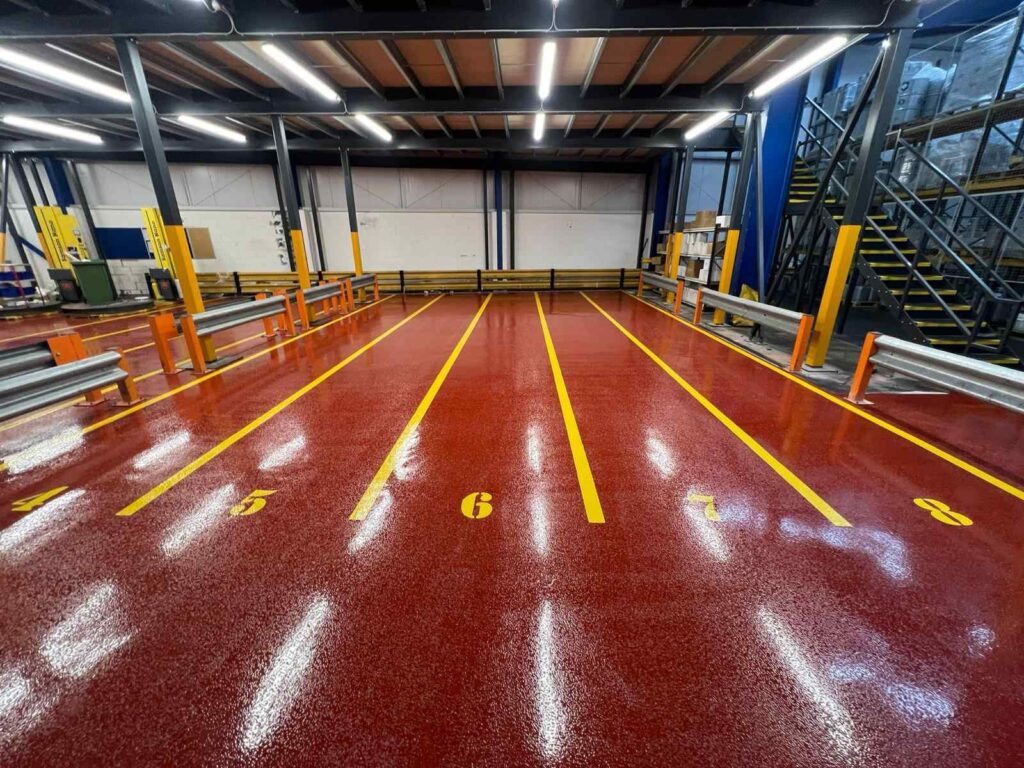
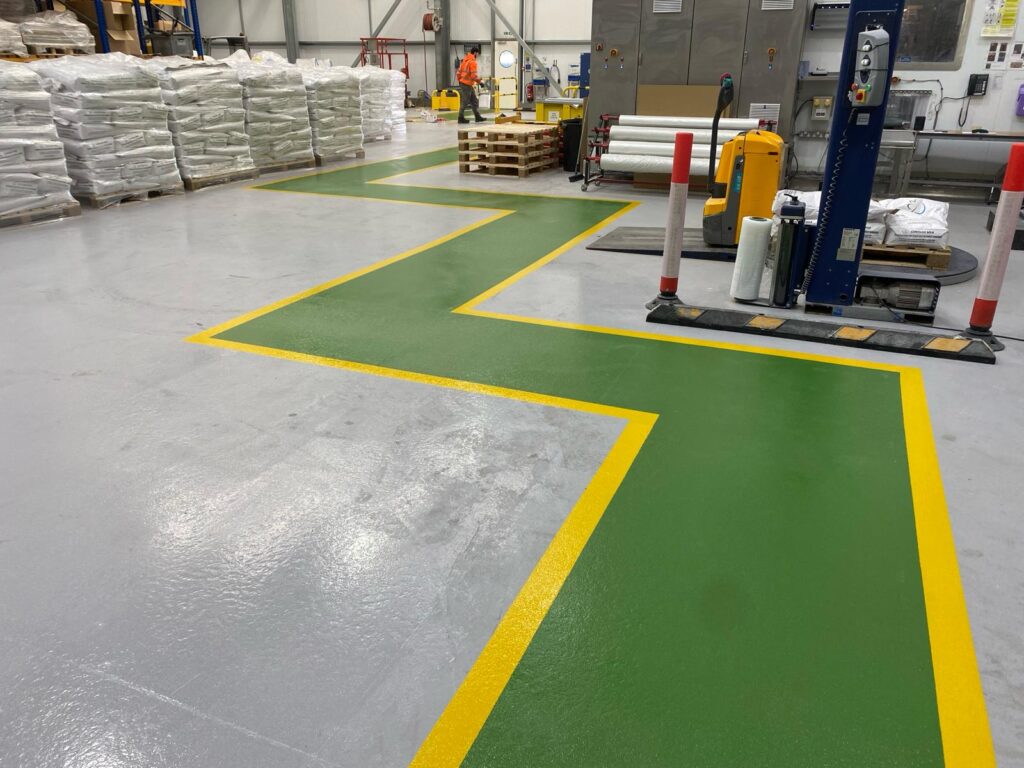
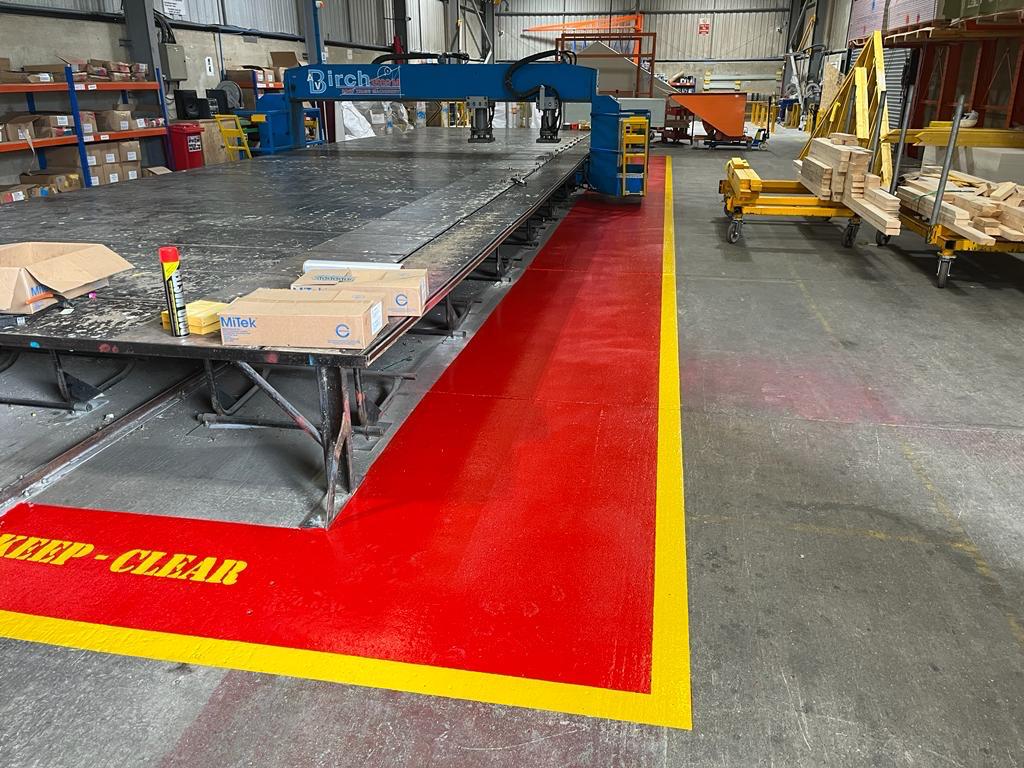
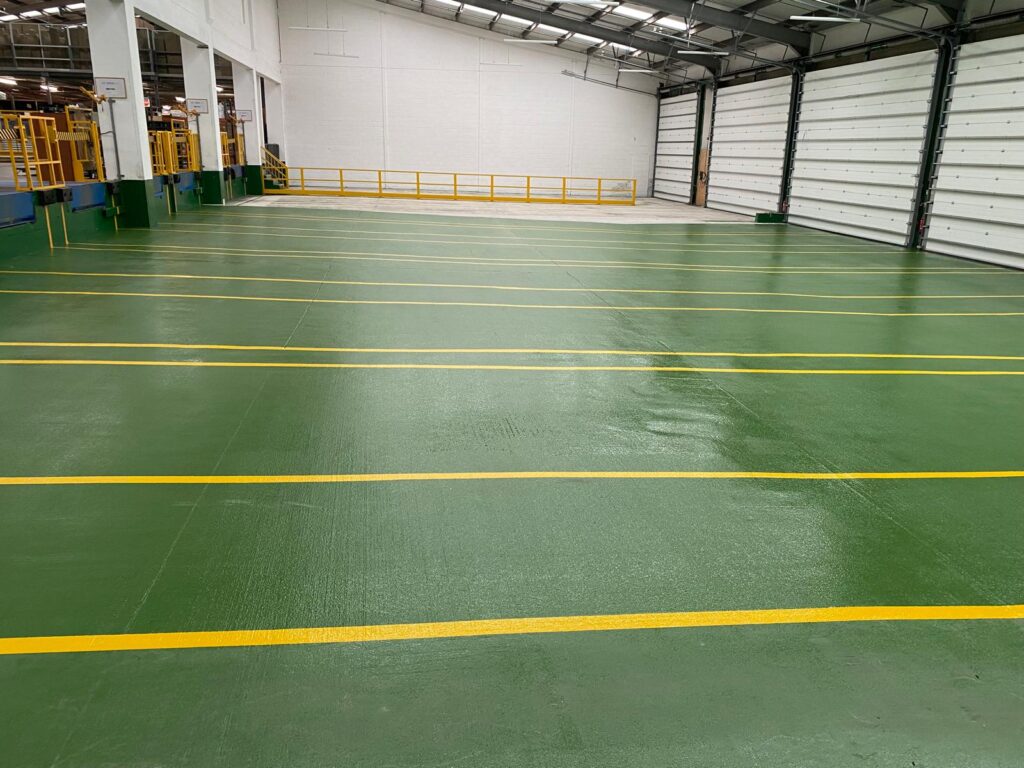
To reduce downtime while improving organisation, many facilities opt for integrated resin line marking as part of their fast curing resin project. This involves using different coloured resins to delineate vehicle bays, pedestrian walkways, and fire exits. Because these lines are part of the resin system itself, they are far more durable than traditional floor paint.
This demarcation supports 5S workplace certification by creating a highly organised and efficient environment. The high-visibility colours remain vibrant even under heavy cleaning and constant traffic. Clear zoning helps to manage the flow of people and vehicles, significantly reducing the risk of collisions and improving the overall operational efficiency of the warehouse or factory floor.
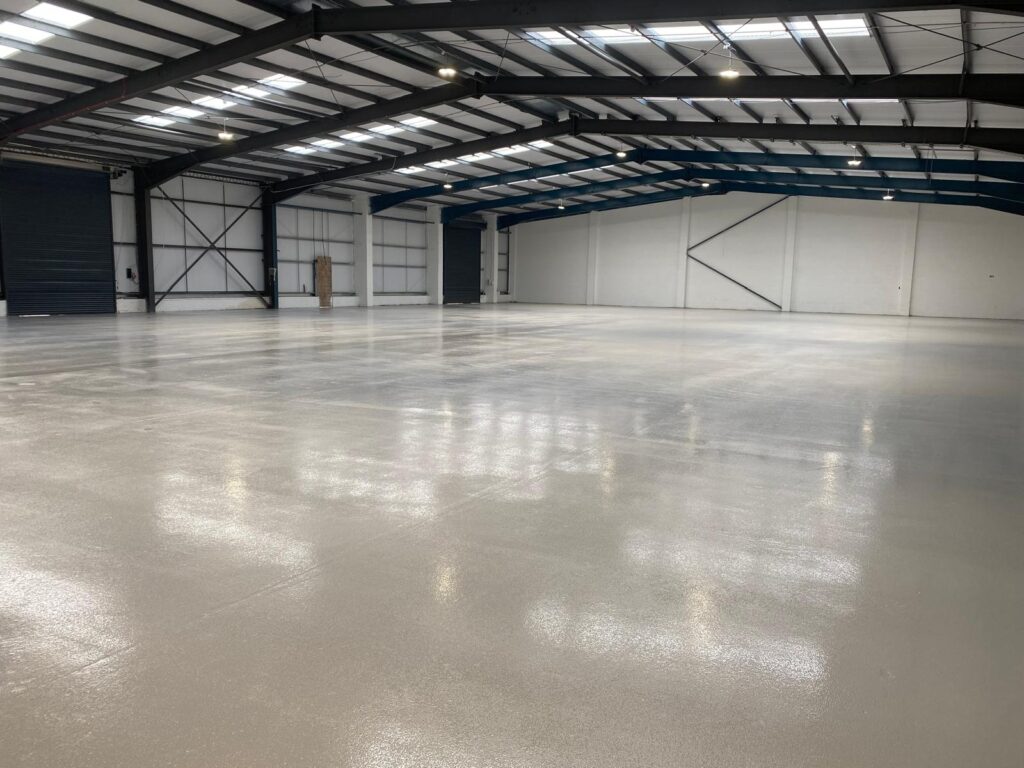
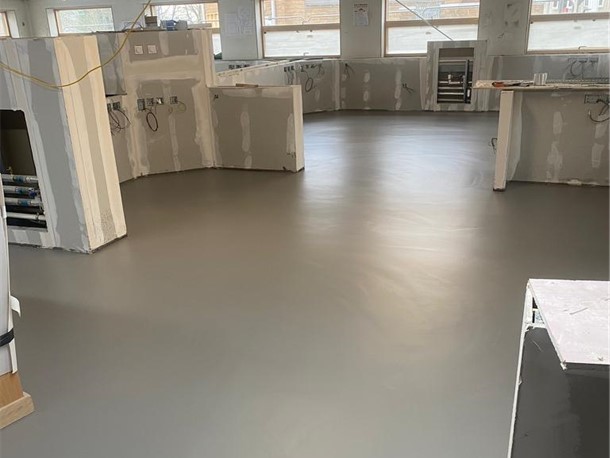
Case Studies
Our case studies cover – Printing & Packaging, Warehousing & Logistics, Pharma & Healthcare, Automotive & Engineering, Aviation & Aerospace, Food & Drink, Printing & Packaging, Warehousing & Logistics, Pharma & Healthcare
Managing Strategic Maintenance and Protection
Proactive Inspection Programmes
Engaging in a maintenance contract for your fast curing resin floor ensures that the surface is regularly audited for signs of wear or mechanical damage. Early detection of issues such as surface erosion or minor cracking allows for rapid intervention using polyaspartic repair kits. These repairs can be completed in minutes, maintaining the floor’s integrity without disrupting the facility.
Professional cleaning as part of a maintenance programme also ensures that the anti-slip properties of the floor are preserved. Over time, dirt and oils can fill the texture of a floor, reducing its traction. By using specialised cleaning agents and equipment, facility managers can ensure that the resin continues to perform as expected throughout its entire 20-year service life.
Extending Substrate Lifespan
The application of a fast curing resin acts as a protective shield for the concrete slab, preventing the ingress of water, oils, and corrosive chemicals. This is particularly important in older industrial buildings where the concrete may be prone to dusting or cracking. The resin bonds deeply with the substrate, reinforcing the surface and preventing further degradation.
By preventing moisture penetration, the resin also eliminates the risk of freeze-thaw damage in unheated environments. This preservation of the building’s core structure is a vital consideration for landlords and estate managers. A well-maintained resin floor not only improves daily operations but also protects the long-term capital value of the industrial or commercial property.
“JD Flooring did an excellent job installing a resin floor in our food production facility. The floor is durable, hygienic, and meets all safety regulations. The team was knowledgeable and professional, and the project was completed within the agreed-upon timeframe. I highly recommend JD Flooring for food industry flooring needs.”
Alex Martinez
Delivering Sector-Specific Advantages
Pharmaceutical and Healthcare Efficiency
In environments where sterile conditions are mandatory, polyaspartic flooring provides a seamless, non-porous surface that is ready for sterilisation within hours of application. This is critical for hospitals and clean rooms that cannot remain vacant for long periods. The rapid cure time ensures that these vital facilities are back in use with minimal impact on patient care or production.
The chemical resistance of these resins is also a major benefit in laboratories where spills of acids or solvents may occur. The surface can be easily cleaned without staining or degradation, maintaining the professional and hygienic appearance required in medical settings. This combination of speed and high-level performance makes it the preferred choice for the modern healthcare sector.
Automotive and Aerospace Applications
The automotive and aerospace sectors require floors that can withstand heavy impacts, chemical spills like Skydrol, and constant machinery movement. A fast curing resin system provides the necessary durability while allowing for rapid facility upgrades. In a busy workshop or hangar, the ability to return a floor to service in a single day is a significant logistical advantage.
For these high-tech industries, the aesthetic finish of the floor also matters for both branding and safety. The high-gloss, light-reflective surfaces improve visibility in large hangars, making it easier for technicians to spot dropped components or fluid leaks. By choosing a polyaspartic system, these businesses ensure they have a world-class facility that supports their precision engineering goals.
Conclusion
The adoption of fast curing resin represents a significant step forward for industrial and commercial facilities aiming to maintain peak productivity. By drastically shortening the window required for installation and repairs, these systems allow management to reduce downtime and focus on core operations. The technical superiority of polyaspartic materials ensure that speed does not come at the expense of durability or safety.
As 24/7 operations become the norm across the UK, the demand for polyaspartic flooring and other rapid-set solutions will continue to grow. Investing in these advanced systems provides a clear competitive advantage, ensuring that your facility remains safe, compliant, and fully operational with minimal interruption. Is it time for your business to upgrade to a flooring solution that works as fast as you do?
Arrange a Free Site Survey
If you are thinking about upgrading the flooring in your commercial or industrial space then we would love to hear from you. Our team of experts will conduct a free onsite survey and then guide you through the process of product selection and project planning, whilst remaining mindful of your budgetary restraints.
Frequently Asked Questions
A:
Foot traffic is typically permissible within 2 hours of the final coat being applied. Full mechanical use, including the movement of heavy machinery or forklifts, is usually possible after 4 to 6 hours, depending on the specific system used.
This rapid return to service is one of the primary reasons businesses choose polyaspartic systems over traditional epoxy, which often requires 48 hours before it can handle heavy loads.
A:
Yes, one of the main technical advantages of polyaspartic resins is their ability to cure in temperatures as low as -5°C. This makes them ideal for cold storage facilities and external applications during the winter months.
Standard resin systems usually fail to cure or bond correctly below 10-15°C, making rapid-set systems the only viable choice for unheated or refrigerated environments.
A:
Absolutely. Polyaspartic systems are engineered for high-traffic industrial environments and offer excellent impact and chemical resistance. In many cases, they are more flexible than epoxy, allowing them to better absorb shocks and resist cracking.
When installed correctly by professionals, these floors have a typical lifespan of 15 to 20 years, even in demanding warehouse and manufacturing settings.
A:
Many modern fast-curing systems are formulated with low VOC (Volatile Organic Compound) content, significantly reducing odour compared to older solvent-based resins. This allows for installation in environments like hospitals or food plants with minimal risk of tainting.
However, adequate ventilation is always recommended during the application process to ensure the safety of the installers and facility staff.
A:
While the material cost for rapid-set resins can be higher per square metre, the total project cost is often lower. This is because labour time is reduced, and the business avoids the massive costs associated with closing a facility for several days.
When you factor in the saved revenue from the ability to reduce downtime, polyaspartic flooring often provides a much higher return on investment than slower-curing alternatives.
