
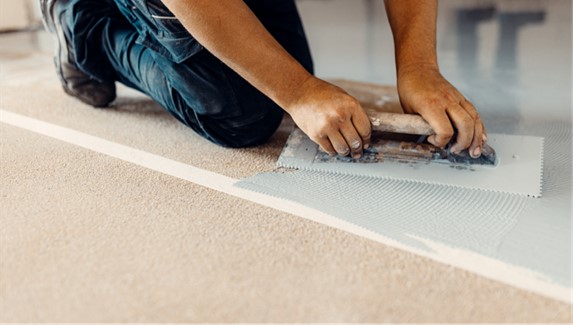
In today’s ever-evolving industrial landscape, selecting the right flooring material is paramount. Two of the most popular choices are Industrial Resin Flooring and concrete flooring. Let’s delve into each to understand their benefits and drawbacks and how to choose between them.
Understanding Industrial Resin Flooring
Definition
Industrial Resin Flooring refers to a highly durable and long-lasting flooring solution created using polymer resins. These floors are particularly beneficial in high-traffic and heavy-duty industrial areas due to their outstanding durability.
Types of Industrial Resin Flooring
Resin flooring comes in various types, including Epoxy, Polyurethane, and Polyaspartic flooring, each having unique properties that serve specific industrial needs.
Benefits of Industrial Resin Flooring
These flooring options boast high durability, chemical resistance, and easy maintenance. They also have an aesthetically pleasing appearance and can be customised to specific colours and finishes.
Understanding Concrete Flooring
Definition
Concrete flooring refers to a hard-wearing flooring solution composed of cement, coarse aggregates, and water. It’s a common choice for many industries due to its inherent strength and cost-effectiveness.
Types of Concrete Flooring
Types include plain concrete, stamped concrete, and stained concrete, each offering different aesthetic and practical advantages.
Benefits of Concrete Flooring
Concrete flooring is renowned for its strength, longevity, and cost-effectiveness. It’s also versatile in design, with various finishes available.
Comparing Industrial Resin Flooring and Concrete Flooring
Durability and Lifespan
While both offer excellent durability, Industrial Resin Flooring often outlasts concrete, especially in high-traffic areas. This is due to its resistance to wear, impact, and chemical spills.
Maintenance and Cleanliness
Industrial Resin Flooring is generally easier to clean and maintain, thanks to its seamless surface which prevents the build-up of dirt and bacteria.
Cost Implications
Concrete flooring may be more cost-effective initially, but the lifetime cost of Industrial Resin Flooring can be lower due to less frequent maintenance and replacement.
Safety and Practicality
Resin floors offer superior slip resistance and can be tailored to specific safety requirements, making them a practical choice for industries where worker safety is paramount.
Aesthetic Appeal
While concrete floors can be aesthetically versatile, Industrial Resin Flooring provides a wider array of customisation options, including a broad spectrum of colours and finishes.
Choosing the Right Flooring for Your Industrial Needs
The decision between Industrial Resin Flooring and concrete flooring depends on your specific needs, budget, and industry requirements. Consider all the factors: durability, cost, maintenance, safety, and aesthetics.
Summary
While both Industrial Resin Flooring and concrete flooring have their unique benefits, the choice hinges on the specific needs of your industry. The former stands out in durability, maintenance, and customisability, while the latter may appeal to those looking for cost-effective and strong flooring solutions.
Frequently Asked Questions
How does the cost of maintenance for Industrial Resin Flooring compare to that of concrete flooring?
When comparing the maintenance costs of industrial resin flooring with concrete flooring, it’s important to consider several factors such as the initial installation costs, the ongoing cleaning and maintenance requirements, the durability and lifespan of the material, and the costs associated with repair or replacement.
- Initial Installation Costs: The upfront cost of installing resin flooring can be higher than that of concrete flooring. However, resin flooring usually lasts longer and is more durable, which can offset the higher initial cost over time.
- Cleaning and Maintenance: Resin flooring is generally easier and less costly to clean and maintain than concrete flooring. This is because resin floors have a seamless and non-porous surface that doesn’t trap dirt or bacteria and is resistant to stains and chemicals. Concrete, on the other hand, is porous and can absorb spills, leading to staining and potential damage that might require more intensive cleaning or treatments.
- Durability and Lifespan: Industrial resin flooring is known for its durability and long lifespan. It can withstand heavy traffic, impact, and chemical spills better than concrete flooring. This means that over time, resin flooring is less likely to need repairs or replacement, which can result in significant cost savings.
- Repair and Replacement Costs: If a concrete floor gets damaged, the repair can be quite expensive and time-consuming. In some cases, large portions of the flooring may need to be replaced. In contrast, if a resin floor is damaged, it’s often possible to do a spot repair, which is usually quicker, easier, and less costly.
While the initial cost of installing industrial resin flooring can be higher than concrete, the lower maintenance and repair costs can make it a more cost-effective choice in the long term. It’s always important to consider the specific needs and conditions of the environment where the flooring will be installed to make the best decision.
What industries commonly use Industrial Resin Flooring?
Industrial resin flooring is a popular choice in various sectors because of its durability, hygiene properties, and low maintenance requirements. These sectors commonly include:
- Food and Beverage Industry: This industry requires flooring that can resist acids, sugars, and hot oils, which is exactly what industrial resin flooring offers. It is easy to clean, resistant to heavy foot and machine traffic, and meets the stringent health and safety requirements of this industry.
- Pharmaceutical Industry: Resin flooring is often used in pharmaceutical facilities due to its easy-to-clean surface and ability to withstand heavy use and spills. It’s also often chosen for its ability to resist bacterial growth, which is critical in this industry.
- Automotive Industry: This sector often needs durable, chemical-resistant flooring that can withstand heavy machinery and vehicles. Resin flooring can also be customised to have a non-slip surface, which is beneficial in preventing accidents in the workplace.
- Electronics Manufacturing: In this industry, resin flooring can be adapted to be anti-static (also known as electrostatic discharge or ESD flooring). This is important because static electricity can damage sensitive electronic components.
- Chemical Industry: The chemical industry requires flooring that can resist corrosive substances and spillages. This is where industrial resin flooring comes in, as it has a high degree of chemical resistance.
- Healthcare: In healthcare settings, such as hospitals and clinics, hygiene is a top priority. Resin flooring is non-porous and seamless, making it a sanitary option that’s easy to clean and maintain.
- Retail and Commercial Spaces: For retail and commercial spaces, aesthetics can be just as important as functionality. Resin flooring offers a high-quality, polished finish that is attractive and also highly durable, capable of withstanding high foot traffic.
These are just a few examples of industries where industrial resin flooring is common. Its versatility makes it suitable for various other applications as well.
Can industrial resin flooring be installed over existing concrete flooring?
Yes, industrial resin flooring can indeed be installed over existing concrete flooring. This is a common practice as concrete often serves as a sturdy base for the resin flooring. However, before the resin is applied, a few important steps must be followed to ensure a successful installation.
- Surface Assessment: Firstly, the condition of the existing concrete floor needs to be evaluated. It should be structurally sound, free from any major cracks, and not have a problem with moisture. Any oil, grease, or other contaminants must be removed to ensure proper bonding of the resin.
- Surface Preparation: Once the floor has been assessed and cleaned, it’s often necessary to prepare the surface further to ensure good adhesion of the resin. This typically involves mechanically grinding or shot blasting the concrete to create a rough surface that the resin can bond to effectively.
- Priming: A primer is often applied to the prepared concrete floor to further improve the bond between the concrete and the resin. It also helps to seal the concrete, preventing any moisture in the concrete from affecting the resin.
- Applying the Resin: After the primer has dried, the resin flooring can be applied. The specific application method may vary depending on the type of resin flooring chosen. It’s crucial to follow the manufacturer’s instructions closely during this step.
- Curing: Finally, the resin needs time to cure before it can be used. The curing time will depend on the specific type of resin used and the environmental conditions.
So, while it’s definitely possible to install industrial resin flooring over existing concrete flooring, it’s important to ensure the concrete is in good condition and the appropriate preparation steps are followed to get a durable, long-lasting floor. In some cases, a professional flooring contractor may be needed to assess the situation and carry out the installation.
JD Flooring Limited – Cheshire Resin Flooring Installers
Unlock the secret to stunning, durable floors with JD Flooring Limited, the experienced Cheshire Resin Flooring Installers. With over 23 years’ experience in installing, maintaining and repairing industrial resin flooring and commercial resin flooring throughout the UK, we’re your number one choice to transform spaces with unmatched quality & style.
Our premium quality, top-of-the-line, Epoxy, Polyurethane or Polyaspartic flooring effortlessly combines strength, durability, and aesthetics. Ideal for large commercial spaces, this advanced flooring solution provides a stunning finish that is built to last. With its exceptional resistance to wear, tear, and chemical spills, you’ll have peace of mind knowing your floors will maintain their beauty for years to come.
Our resin flooring is a responsible choice that boasts low VOC emissions and is free from harmful chemicals. The slip-resistant surface also ensures the safety of your employees, or visitors. Choose our epoxy resin flooring and experience the perfect blend of style, durability, and safety.
JD Flooring Limited only work with the best resin flooring manufacturers as quality is priority. All systems that are installed are either Epoxy, Polyurethane or Polyaspartic based, these come in a range of floor coatings, self-smoothing systems, heavy duty screeds and coving, specialist primers and repair systems all manufactured to the quality assurance of ISO9001 & ISO14001.
JD Flooring Limited provide free advice, full on-site surveys, and quotations. All client’s projects are treated confidentially, once you have contacted JD Flooring Limited you will feel assured that you are receiving professional advice that comes from many years of industry knowledge, these sectors include, Food, Pharmaceutical & Healthcare, Automotive, Engineering, Warehousing & Logistics, Aerospace, Printing & Packaging plus many more.
Arrange a Free Survey
If you are thinking about upgrading the flooring in your commercial or industrial space then we would love to hear from you. Our team of experts will conduct a free onsite survey and then guide you through the process of product selection and project planning, whilst remaining mindful of your budgetary retrains.
Share This Article

JD Flooring Limited - Cheshire Resin Flooring Installers
Cheshire Industrial Resin Flooring
Cheshire Industrial Resin Flooring
Cheshire Industrial Resin Flooring
Cheshire Industrial Resin Flooring
Industrial Resin Flooring Costs
Commercial Resin Flooring, Industrial resin flooring, Cheshire resin flooring repair and resin flooring repairs. JD Flooring Limited Cheshire Resin Flooring Installers. Resin flooring installation, Cheshire epoxy floor installers, polyurethane floor application, industrial flooring specialists, commercial resin floors, seamless resin flooring, resin floor contractors, concrete floor coatings, epoxy garage floors, anti-slip flooring solutions, decorative resin floors, resin floor maintenance, polished concrete services, resin floor screeding, high-performance flooring, chemical resistant floors, warehouse flooring systems, food-grade flooring, epoxy floor coatings, resin floor refurbishment, anti-static flooring, resin terrazzo floors, floor levelling services, resin-bound surfaces, resin floor repair. JD Flooring Limited Cheshire Resin Flooring Installers. The Benefits of Resin Flooring Demarcation in Factories and Warehouses. Cheshire Epoxy Flooring Services, Polyurethane Floors Cheshire, Industrial Resin Flooring Installers Cheshire, Commercial Resin Floor Contractors Cheshire, Cheshire Garage Resin Floor Installation, Resin Bound Surfacing in Cheshire, Decorative Resin Flooring Cheshire, Cheshire Resin Driveway Services, Professional Resin Floor Installation Cheshire, Anti-Slip Resin Floors Cheshire, Food Grade Resin Flooring Cheshire, Resin Floor Maintenance Cheshire, Epoxy Resin Concrete Repair Cheshire, Bespoke Resin Floor Design Cheshire, High-Quality Resin Flooring Cheshire, Cheshire Resin Flooring Specialists, UV Stable Resin Flooring Cheshire, Cheshire Resin Floor Coating Experts, Seamless Resin Flooring Solutions Cheshire, Resin Floor Installation Quote Cheshire, Fast-Curing Resin Flooring Cheshire, Durable Resin Floors in Cheshire, Chemical Resistant Resin Flooring Cheshire, Resin Floor Installers Reviews Cheshire, Affordable Resin Flooring Cheshire.

